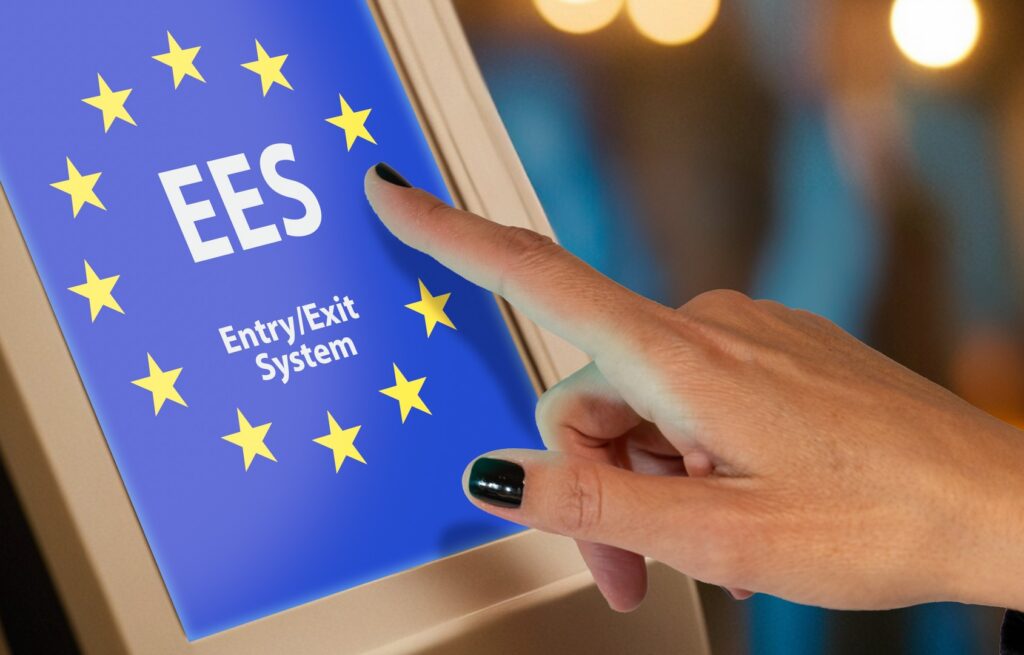
Train Travel in France
Published on: February 24, 2013
by AAAdmin AAAdmin
Travelling to France by LeShuttle (Eurotunnel)
If you are planning a family holiday to France, LeShuttle remains one of the quickest and easiest ways to cross the Channel with your car.
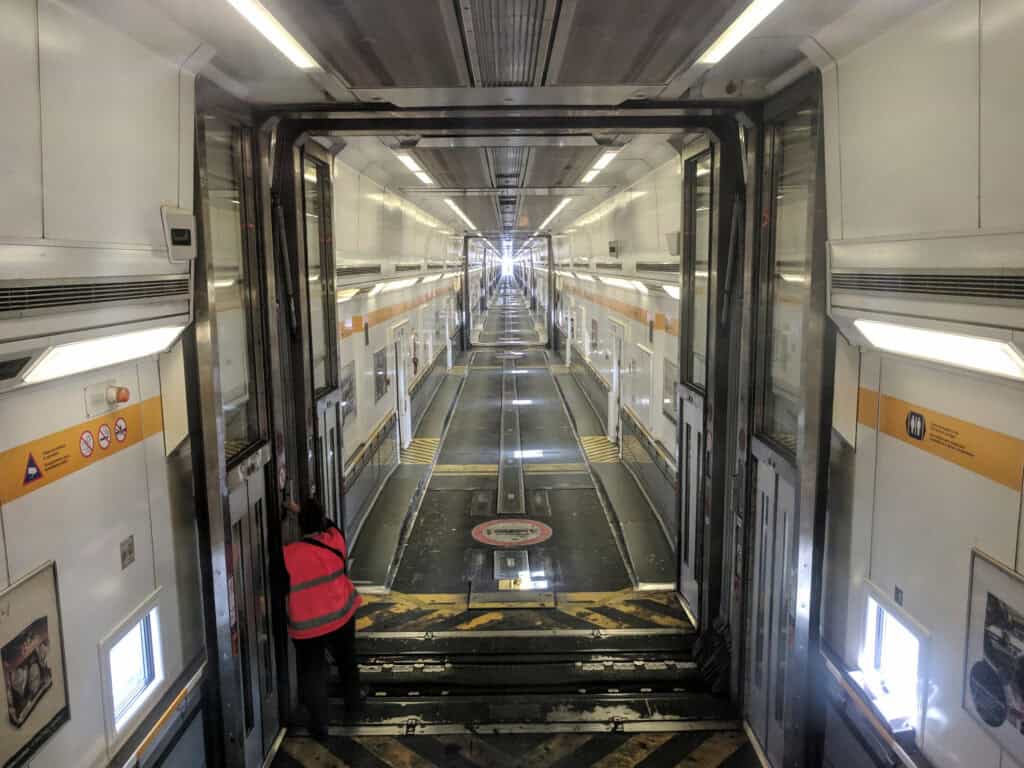
What is LeShuttle?
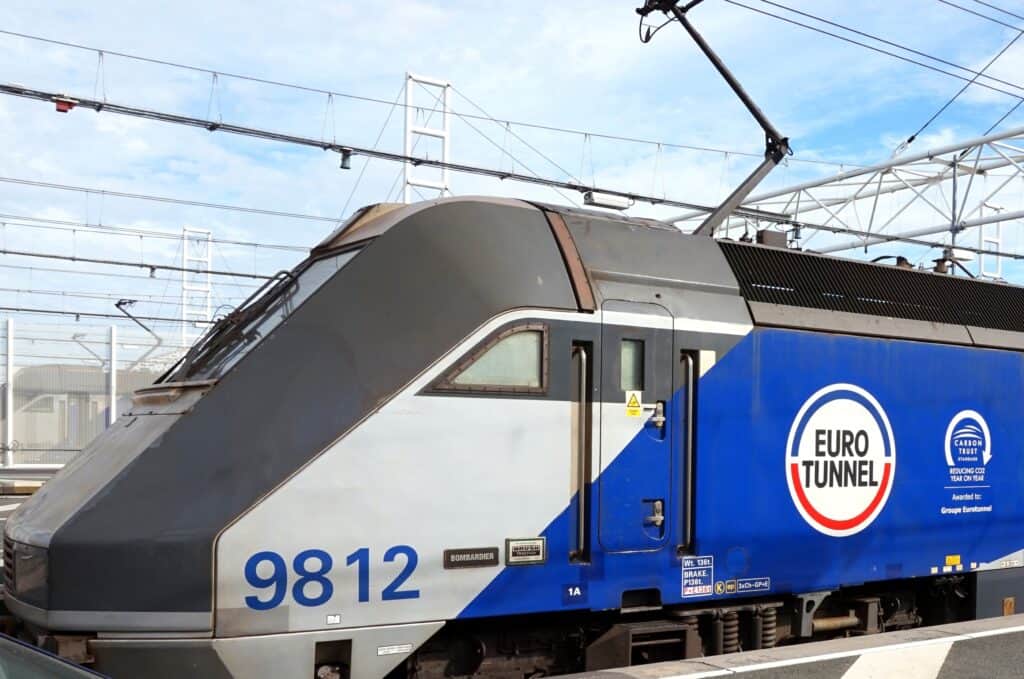
LeShuttle is a drive-on, drive-off train that carries you and your vehicle from Folkestone (UK) to Calais (France), through the Channel Tunnel. Unlike the Eurostar passenger train, this service is designed specifically for cars, campervans, motorbikes and vans.
The crossing itself takes just 35 minutes, making it the fastest way to travel from the UK to France with your vehicle.
Why families love travelling by LeShuttle
LeShuttle is especially popular with families because it’s simple, flexible and stress-free:
- Stay with your car (or step out and stretch your legs during the journey)
- No luggage limits—pack everything you need for your holiday
- Travel with bikes, pushchairs, roof boxes and more
- Pets can travel with you in your car (check out our blog on what you need to know for travelling with your pets as new legislation is now in place)
- Tickets cover your vehicle and up to 9 passengers
It’s ideal if you want the freedom of having your own car to explore France at your own pace.
How the journey works
Using LeShuttle is straightforward:
- Drive to the Folkestone terminal (just off the M20)
- Check in – usually at least 60 minutes before departure
- Pass through UK and French border controls
- Drive onto the train when directed
- Relax during the 35-minute crossing
- Drive straight off in Calais and continue your journey
Trains run frequently throughout the day and night, often with multiple departures per hour at busy times.
Ticket options & prices
There are several ticket types depending on how flexible you want to be:
- Day Trip & Overnight from around £60 each way
- Short stay saver (up to 5 days) from around £100 each way
- Standard tickets from around £120+ each way
- Flexiplus gives maximum flexibility & lounge access from around £275 each way
Prices are per vehicle (not per person), which can make it very cost effective for families. Costs vary depending on demand, time of travel and how early you book.
What vehicle can travel?
LeShuttle is suitable for a wide range of vehicles:
- Cars and SUVs
- Campervans and motorhomes
- Motorbikes
- Cars with trailers or roof boxes
Electric cars are fully supported, with charging points available at both terminals.
Things to know before you travel
- You will need to carry a valid passport for all passengers
- Make sure you carry all the required driving equipment for France (e.g. warning triangle, reflective jackets – check here for more information)
- Foot passengers cannot travel on LeShuttle
- LPG powered vehicles may be restricted. Check current guidance before travelling
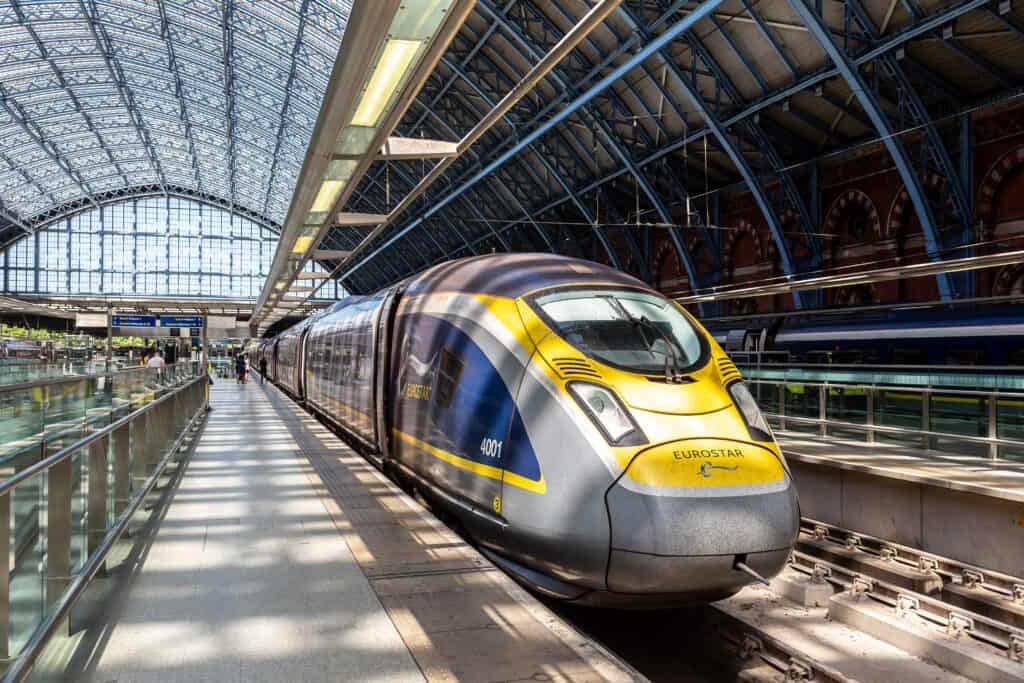
Travelling as a foot passenger – Eurostar
If you are not taking a car, the Eurostar is a fast, comfortable and convenient way to reach France directly from central London. Trains depart from London St Pancras International and arrive in the heart of major French cities such as Paris, Lille and beyond—perfect if you’re planning a city break or connecting onwards by train.
Why choose Eurostar?
- No need to worry about driving or navigation
- City centre to city centre travel; no long transfers needed
- Journey time to Paris is around 2 hours 15 minutes
- Generous luggage allowance compared to airlines
- Family-friendly seating and onboard facilities
What to expect
- Arrive at the station around 60-90 minutes before departure to allow for check-in, security and passport control
- Comfortable seating with space to relax, read or enjoy the scenery
- Café bar onboard for snacks and drinks
Eurostar is a great option if you’re combining destinations, travelling light, or planning to use France’s excellent rail network to explore further.
For a holiday in Paris travelling there by Eurostar is excellent if you live within easy reach of London; it whisks you from London’s magnificently refurbished London St. Pancras International Station into the middle of Paris at the Gare du Nord in just two and a quarter hours. St. Pancras mainline station has excellent connections from around England, particularly the north of the country; there is also quality retailing, cafés and eateries, not forgetting the worlds longest champagne bar! This really is a much better way to relax on your way to Paris than travelling by air as the latter normally involves arriving in Paris’ Charles de Gaulle airport which is situated on the outskirts of the city to the north east of the capital.
Paris as a destination however, is only one of many options open to travellers on Eurostar. Lille (1 hour 20 mins) in its own right is a great place to visit as well as serving as a useful point of departure for many destinations in France including for example Dijon and Montpellier.
An important consideration in choosing to make onward connections at Lille rather than Paris is that in the former there is no need to change stations, thus reducing transfer times. In the summer there is an excellent direct service from London to Avignon taking six and a half hours while during the winter there is a ski train direct to the Alps. Of course for those living south of London it is possible to take the train from either Ashford International or the new Ebbsfleet station (this currently only serves Paris and Brussels).
Eurotunnel vs ferry vs Eurostar – which is best?
Each option suits a different type of trip:
Choose LeShuttle if you want:
- The fastest crossing with your car (35 minutes)
- Flexibility to explore rural areas and multiple regions
- Easy travel with lots of luggage
Choose the ferry if you want:
- A more leisurely start to your holiday
- Space to walk around, eat and enjoy sea views
- Arriving in Calais on the train means you have a long journey ahead of you if you are travelling south of Paris. For Provence/Côte D’Azur you don’t have much choice. But for Brittany, Dordogne and the Vendee you could consider other routes offered by the ferry services.
Choose Eurostar if you want:
- A quick, car-free journey to city destinations
- A relaxed travel experience from central London
- Easy onward connections across France
AutoRail
AutoRail (formerly MotorRail) carries your car separately and passengers travel on the TGV or on the Intercités de Nuit. Normally the car goes first and then you follow it the next day and collect your car at your destination. This is a great option if you don’t want to drive through France to reach many of the Mediterranean resort, Spain or Italy.
Prices for the car vary depending on journey and booking dates, but will be around £200. But your fare as passengers will be extra. However there’s the saving on fuel, tolls and probably an overnight hotel.
Train travel within France
The main website for train travel within France is that of SNCF. You can travel by train using many of the different train companies that operate in France – Corail, Thalys, Teoz, Eurostar and TGV (Train à Grande Vitesse). Train travel in France is comfortable, clean and very affordable and is consequently a popular way to travel. You can also look at the very comprehensive site – www.raileurope.com.
Paris Métro
Several French cities have a métro service, including Paris, Toulouse, Lille, Rennes, Marseille and Lyon. These are efficient and good value.
General Info
The Paris Métro is first class with over 350 stations and 14 lines and nowhere further than 500 metres from a station. Many of the station entrances were designed in the Art Nouveau style by Hector Guimard and are popular tourist attractions in their own right!
The Métro comprises 2 systems – the Métro or underground trains (16 lines) and the RER (5 lines lettered A-E). The former is similar to the London underground while the latter is more like a suburban train system with larger, usually double-decker trains that run from one side of Paris to the other, often over-ground. For example, there is an RER (line A) service that goes out to Disneyland in Marne-la-Vallée-Chessy to the east of the city. Take care as this line splits so make sure you get the correct destination.
Buying tickets
There are two ways of buying tickets for the Métro, you either need to have a Navigo Card or a mobile phone and download the Navigo Easy Card app. Physical cards can be bought at the RATP ticket counter and you buy a Navigo Easy Pass for €2 and then top it up with as many tickets (2.55 €1.30 for under 10s) as you need (you can also use the vending machines). Alternatively download the Ille-de France Mobilites App, add it to your Apple or Google wallet and top it up with the tickets of your choice
Using the Métro
When travelling on the Métro you need to decide which station you wish to get to and then check the name of the station at the END of the line in the direction in which you will be travelling as this determines which train you get. So, for example, imagine that you have arrived on Eurostar at the Gare du Nord and you wish to head south to Les Halles near The Seine River. This is Métro line 4 so you must follow signs and trains in the direction of Porte d’Orléans that is the last station at the southern end of the line. Should you have wished to travel north on line 4 then you would have followed signs in the direction of Porte de Clignancourt.
RER trains
(Réseau Express Régional) operate a similar procedure. These are five suburban trains (Routes A-E), often double deckers, that serve outlying suburbs (e.g.: Disneyland Paris is on Line A). As the Disney route will probably be the most popular RER destination from Paris it is worth noting that line ‘A’ splits and you need to get the one to Marne-la-Vallée/Chessy
Start your French adventure your way
Whether you drive, sail or take the train, getting to France from the UK is simple—and part of the fun. With so many easy travel options, it’s never been more convenient to plan a family holiday and start exploring everything France has to offer.
Read more travel in France:
Stay Informed
French Gite Holidays

Simply Aquitaine

Explore related articles
Last-Minute Family Holidays in France: Where to Go This Summer

Charente-Maritime with Kids: The Complete Family Holiday Guide

Biometric Borders: What you need to know about the new EES rules